 MuseVendMuseVend
The MuseVend Artifact Loop
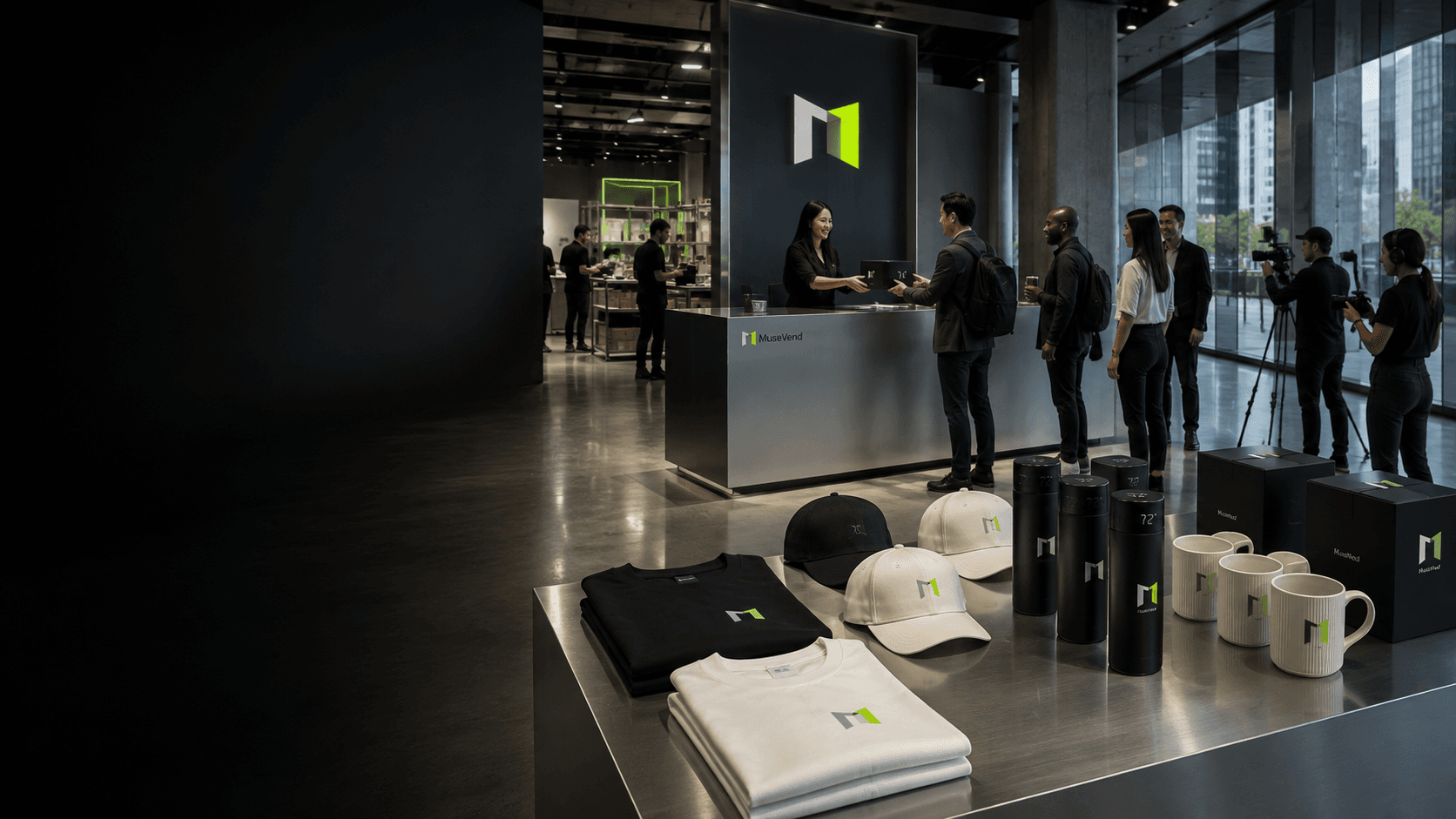
MuseVend connects premium products, live experiences, consented engagement signals, event content, and ongoing operations into one measurable activation program.
The System
A high-value activation should create more than distribution. Each layer should improve the next decision: what to make, how to deliver it, what audiences choose, what content travels, and what should happen next.
Create desire.
Create participation.
Capture consented signals.
Extend the moment.
Compound what works.
This is not a five-step handoff. It is a compounding activation loop.
01 · Product
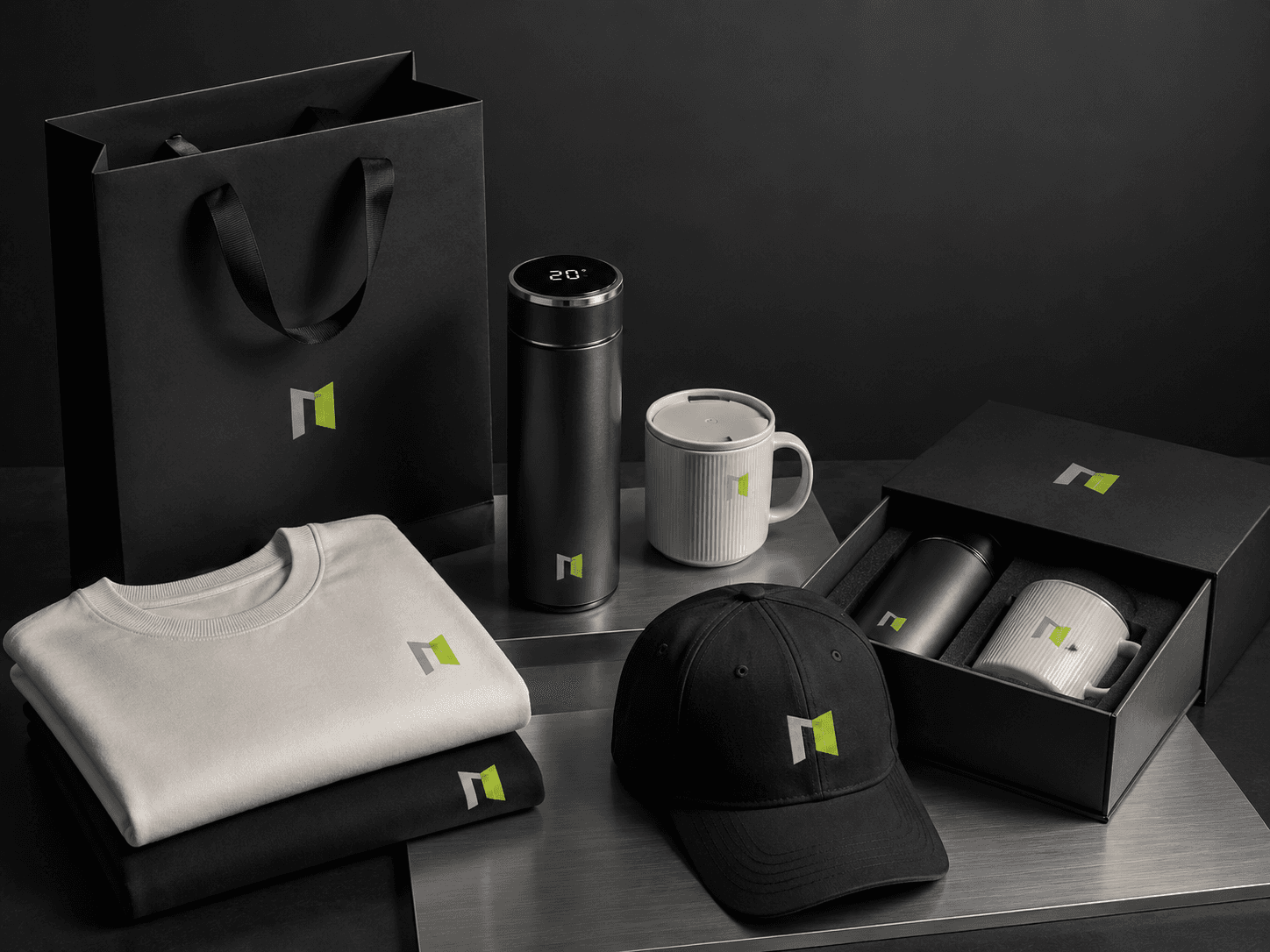
It starts with premium physical artifacts designed around the audience, the moment, the brand, and the intended use — objects people want to keep, not disposable giveaways. Curation, materials, and finish are chosen so the product earns attention before a single word is read.
02 · Experience
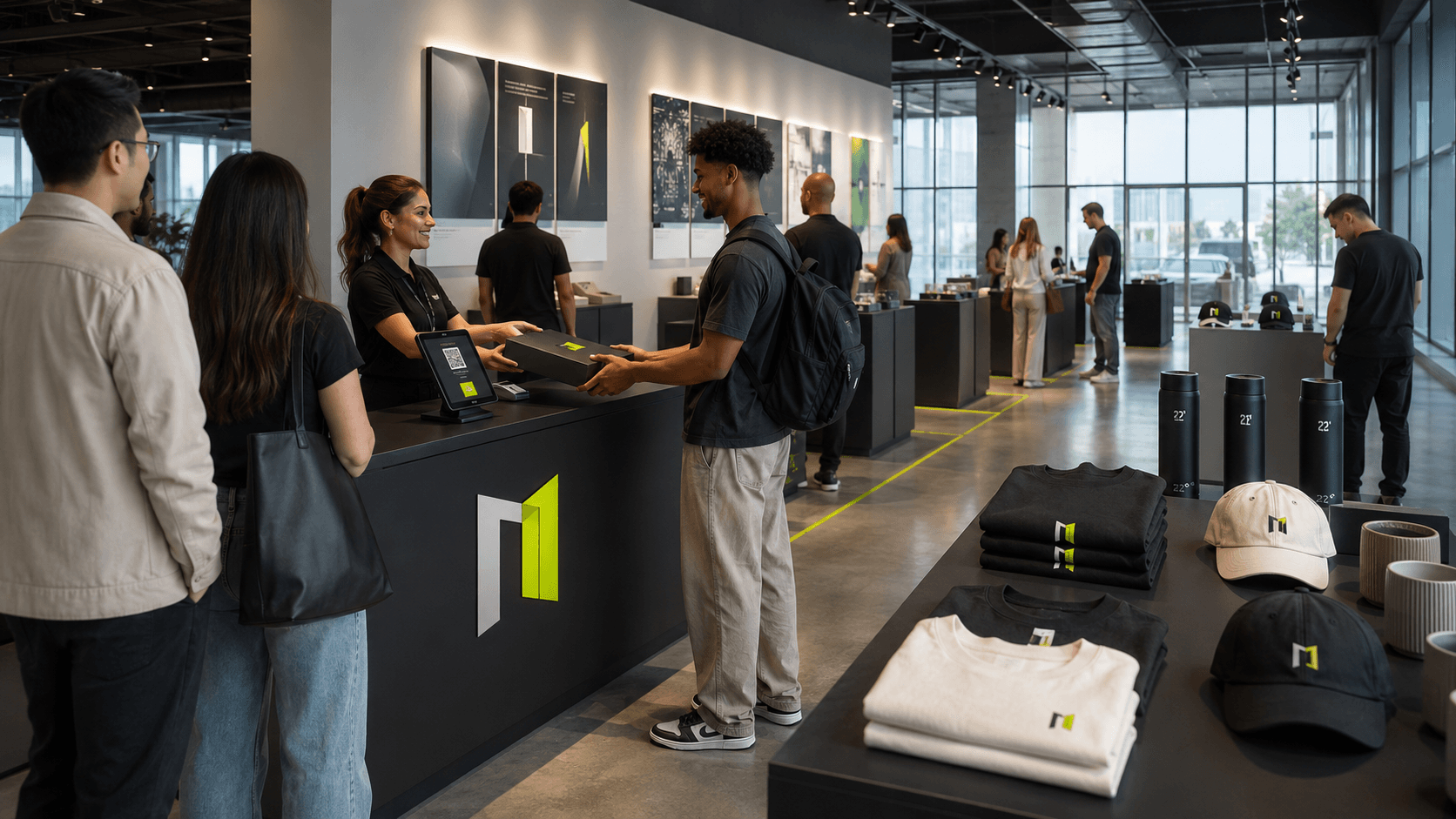
Distribution is designed, not incidental: discovery on the floor, staffed gifting, claim flows, and pop-up formats that turn an artifact into a moment. The experience is shaped around how people move through the room and what makes them stop.
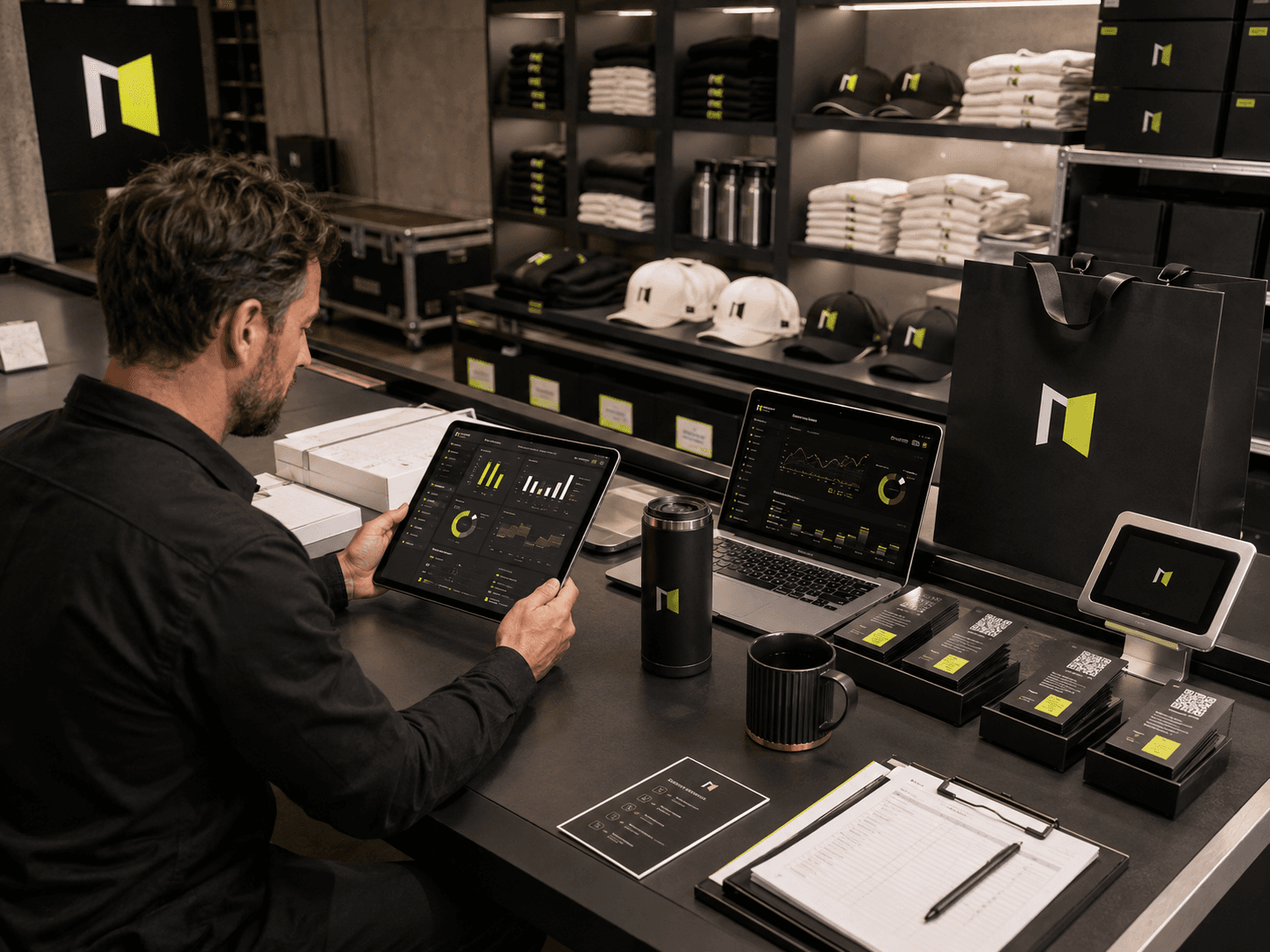
03 · Data
Where the format enables it and visitors opt in, an activation can capture consented engagement signals — campaign source, scans, claims, redemption, inventory movement, and declared preference. It reads what the room is telling you without surveillance or automatic identity resolution.
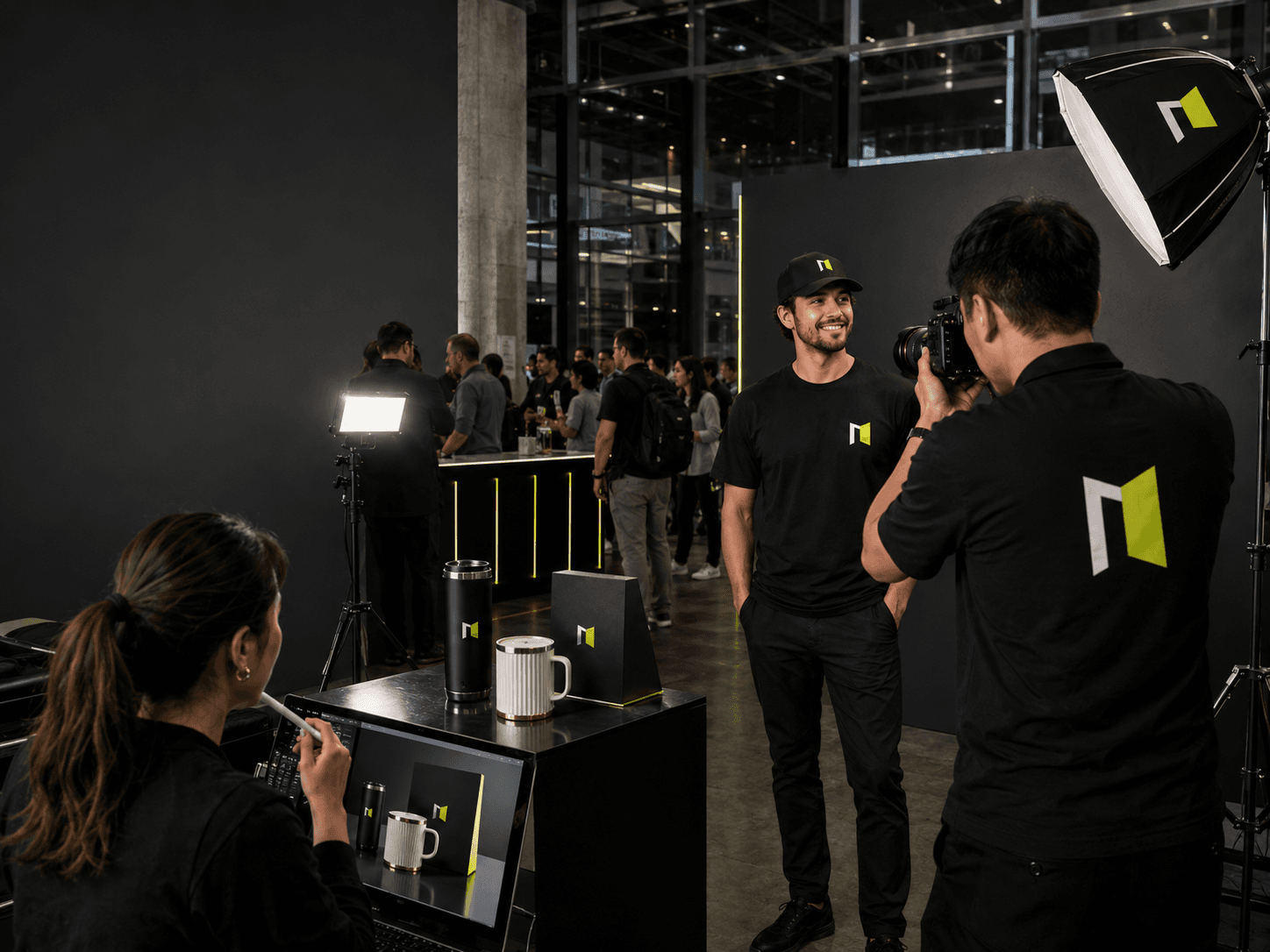
04 · Content
The activation is also a content set: product imagery, attendee moments, gifting stories, and recap assets that travel long after the doors close. Content is scoped per engagement so the right assets are planned, captured, and delivered.
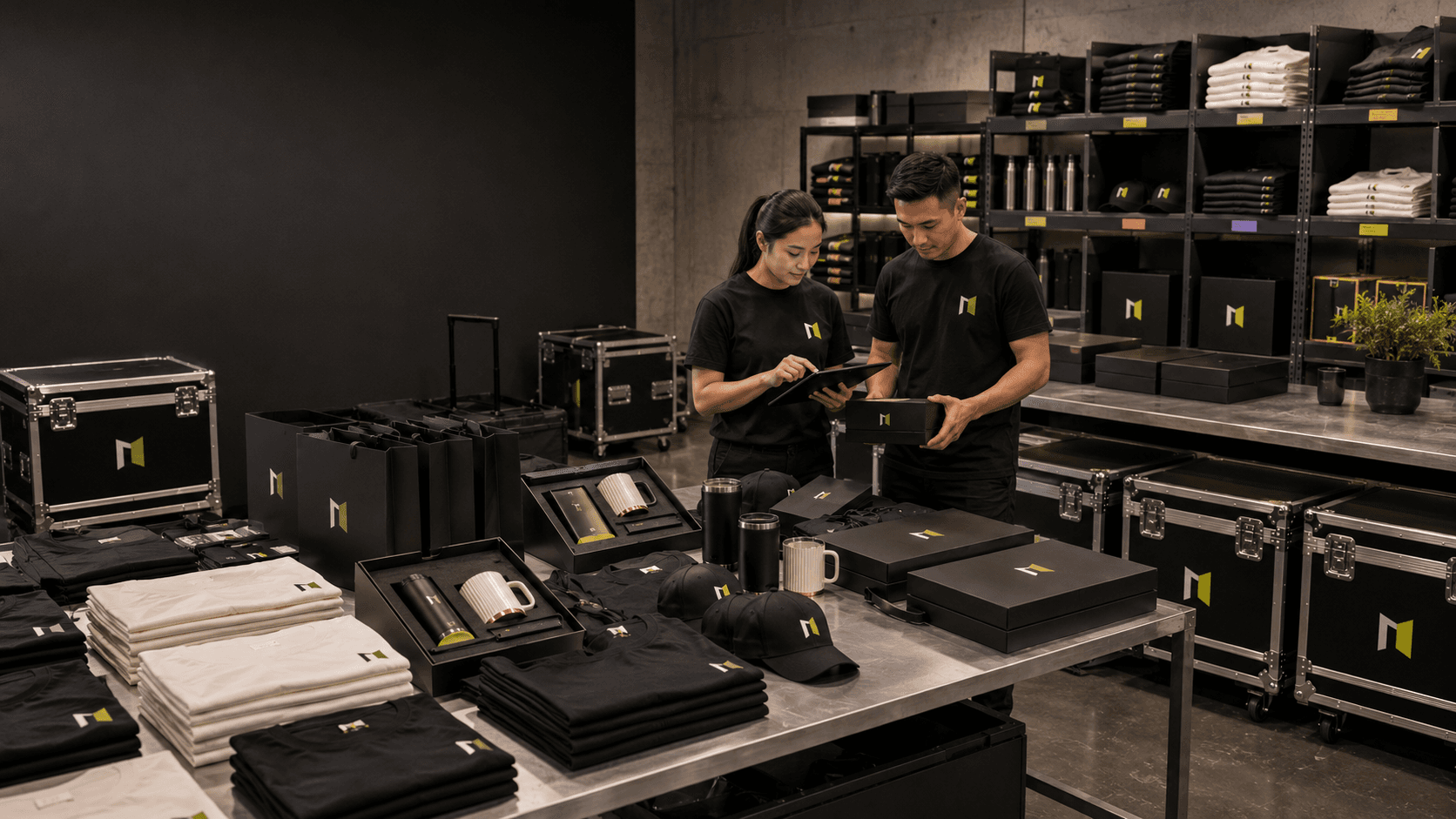
05 · Continuous Operations
The strongest formats become repeatable: replenishment, format refinement, repeatable kits, multi-city programs, and quarterly activation planning. Each cycle starts from what already worked instead of a blank page.
Every handoff should leave the next team with something usable.
Final scope depends on the activation format, venue, products, permissions, and measurement requirements.
Define the audience, artifact, interaction, and measurement plan.
Review product response, redemption, operational friction, and useful content.
Repeat the strongest format across future events, cities, teams, or quarters.
Custom production is typically around 14 days after final approval; freight time, sampling, event planning, and destination requirements are separate.
Both, by design. MuseVend can supply premium branded products and also connect them into a full activation program — experience, consented engagement signals, content, and ongoing operations — so a physical moment keeps informing the next one.
Yes. MuseVend can own the artifact and activation layer and coordinate with your agency, venue, or production partners. Scope and responsibilities are agreed up front so everyone knows who owns what.
Only consented engagement signals that the agreed activation design enables — for example campaign source, scans, claims, redemption, and inventory movement, plus declared preferences where a visitor opts in. Enabled data collection depends on the activation design and privacy requirements, and MuseVend does not track individuals without notice or consent.
No. QR or NFC can be added where measurement is a goal and the format supports it, but an activation can run without them. The measurement architecture is scoped to the program.
Depending on scope, content can include product imagery, attendee moments, executive gifting stories, and recap assets. Content production is scoped per engagement rather than automatically included in every program.
Yes. Programs can be built as repeatable activation kits for multiple events, teams, or cities. Specific coverage, quantities, and replenishment are confirmed per program rather than guaranteed by default.
Custom production is typically around 14 days after final approval; freight time, sampling, venue planning, and activation production are separate. Final timing must be confirmed against scope, destination, and event date.
Event date, city, audience, estimated quantity, product interests, budget range, desired interaction, and brand assets. With those, MuseVend can propose an artifact and activation plan.